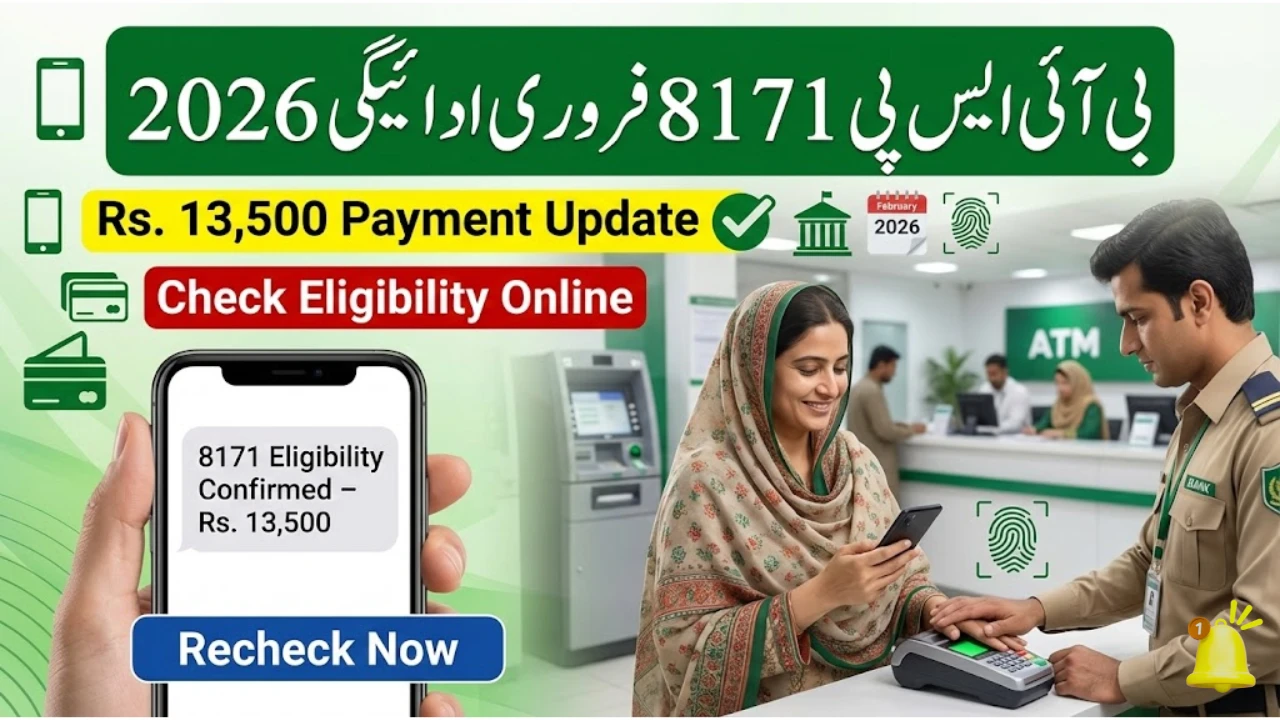
The Benazir Income Support Programme (BISP) has introduced a retailer alignment update for 2026 to make installment distribution more organized, transparent, and beneficiary-friendly. This update is especially important as BISP prepares for large-scale payments in the 2026 cycle, where millions of women rely on timely and dignified access to financial support.
In past payment rounds, beneficiaries faced issues such as overcrowding, confusion at payment points, and unauthorized deductions. The new retailer alignment strategy directly addresses these challenges by tightening controls, improving coordination, and clearly defining responsibilities at every level.
What Is Retailer Alignment in BISP Payments?
Retailer alignment refers to the process of authorizing, verifying, and coordinating approved retailers who are allowed to distribute BISP installments. Only pre-approved and whitelisted retailers can handle payments under this updated framework.
This approach ensures that:
- Payments are handled by trained and verified outlets
- Unauthorized agents are removed from the process
- Beneficiaries know exactly where to collect their installments
Retailer alignment is not a technical formality—it directly impacts the safety, dignity, and overall experience of women collecting their BISP payments.
Purpose of Retail Whitelisting for 2026 Installments
Retail whitelisting is the backbone of the new distribution system. Under this model, only retailers who meet operational, technical, and compliance standards are allowed to disburse payments.
Key objectives of retail whitelisting:
- Prevent illegal deductions and overcharging
- Reduce fraud and payment-related complaints
- Improve monitoring and accountability
- Build beneficiary trust in the BISP system
Field experience from previous cycles shows that whitelisted retailers significantly reduce disputes and confusion during payment days.

Channel Responsibilities and Alignment Deadline
BISP has instructed all payment channels and franchisees to confirm retailer alignment before the official deadline (4:00 PM). This deadline is critical for operational planning.
Channel responsibilities include:
- Verifying retailer readiness and system availability
- Ensuring trained staff are present at payment points
- Communicating BISP instructions clearly to retailers
- Reporting alignment confirmation on time
Any delay in alignment can lead to payment disruptions, which ultimately affects beneficiaries waiting for their installments.
Preparatory Arrangements at Payment Points
To improve transparency and reduce misinformation, BISP has made it mandatory for all payment points to display clear official banners.
Required banner details:
- BISP name clearly visible
- Partner bank or channel logo
- Exact installment amount printed clearly
These banners help beneficiaries confirm they are at the correct location and understand how much they are supposed to receive—reducing exploitation and confusion.
Compliance With Contractual Obligations
All retailers and channels operate under formal contracts with BISP and partner banks. Strict compliance is mandatory.
Failure to follow procedures can result in:

- Temporary suspension of payments
- Financial recovery actions
- Permanent removal from the retailer whitelist
Compliance protects beneficiaries, retailers, and the overall integrity of the program.
Managing Payment Distribution Activities
Retailers are expected to manage payment activities in an organized and respectful manner. Proper queue management, clear communication, and calm handling of beneficiaries are essential.
If technical issues arise, retailers must:
- Inform their franchise or channel immediately
- Avoid making beneficiaries wait without explanation
- Follow escalation procedures instead of improvising
Good coordination prevents unnecessary stress and crowd-related problems.
Beneficiary Care and On-Ground Facilities
BISP has emphasized beneficiary care as a priority, not an option.
Mandatory on-ground facilities include:
- Continuous availability of drinking water
- Shaded or safe waiting areas where possible
- Respectful behavior toward women beneficiaries
These basic arrangements significantly improve the payment experience, especially for women traveling long distances.

Fraud Prevention and Accountability
Fraud prevention and recovery are the sole responsibility of the channel or franchisee. Any irregular activity at a payment point is traced back to the responsible entity.
Retailers must:
- Follow standard operating procedures strictly
- Never deduct unauthorized charges
- Remain alert against impersonation or misuse
Even minor negligence can result in serious penalties.
Retail vs Campsite Distribution Model
BISP may use:
- Retail-based distribution (permanent shops)
- Campsite-based distribution (temporary setups in high-density or remote areas)
The final decision depends on local conditions and operational feasibility. BISP will officially communicate the selected model before payments begin.
Tranche-03-2025 Retailer Pool Overview
For Tranche-03-2025 and onward into 2026, BISP has shared a list of experienced, already-whitelisted retailers. Using existing retailers reduces training time and operational risk.

Channels must review this list carefully and confirm readiness to avoid last-minute disruptions.
Final Confirmation Process for Retailers
Before installment distribution starts, channels must confirm:
| Confirmation Area | Description |
|---|---|
| Retailer Verification | Matches BISP whitelist |
| Operational Readiness | System, staff, and shop prepared |
| Branding Compliance | Official banners displayed |
| Beneficiary Facilities | Water and basic arrangements |
Only after confirmation are retailers officially authorized to distribute installments.
Conclusion
The BISP Installment Distribution Retailer Alignment Update 2026 marks a major improvement in how social welfare payments are delivered in Pakistan. By focusing on whitelisted retailers, strict compliance, beneficiary care, and clear accountability, BISP is building a payment system that is safer, more transparent, and more dignified for women.
This disciplined approach reduces fraud, improves efficiency, and strengthens public trust—ensuring that financial assistance reaches the people who truly deserve it, without unnecessary hardship.